


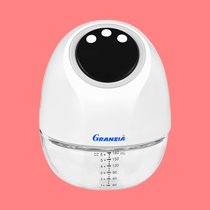





If you are a parent of a child with asthma or recurrent respiratory issues, the world of medical devices can feel overwhelming. Two terms you will hear constantly are “nebulizer” and “inhaler.” Both devices serve the same ultimate goal: delivering medication directly into your child’s lungs to help them breathe easier. However, the way they deliver this medication, their ease of use, and their suitability for different ages vary significantly.
Choosing between a nebulizer vs inhaler isn’t just about preference; it’s about finding the most effective way to manage pediatric asthma care and ensuring your child gets the full dose of their medication during a flare-up. In this guide, we will break down the differences, pros, and cons of each to help you make an informed decision for your family.
Understanding the Basics: What Are They?
Before comparing them, it is essential to understand how each device functions.
1. What is a Nebulizer?
A nebulizer is an electric or battery-operated machine that turns liquid medicine into a fine mist. This mist is then inhaled through a mask or a mouthpiece. The child simply breathes normally while the machine does the work.
- Best for: Infants, toddlers, and children who cannot coordinate their breathing techniques.
- Time required: 5 to 10 minutes per session.
- Types: Compressor (standard table-top) and portable mesh nebulizers which are silent and travel-friendly.
2. What is an Inhaler?
An inhaler (often called an MDI or Metered Dose Inhaler) is a small, handheld device that releases a pre-measured puff of medicine. For children, this is almost always used with a “spacer” (a holding chamber) to ensure the medicine goes into the lungs rather than hitting the back of the throat.
- Best for: Older children (usually 5+ years) or younger children if used with a spacer and mask.
- Time required: Less than 30 seconds.
Nebulizer vs. Inhaler: The Core Differences
To give you a clear picture, here is a comparison of how these devices stack up in daily use.
| Feature | Nebulizer | Inhaler (with Spacer) |
| Ease of Use | Very Easy (Requires only normal breathing) | Moderate (Requires coordination or a spacer) |
| Portability | Varies (Compressors are bulky; Mesh is portable) | Excellent (Fits in a pocket) |
| Treatment Time | 5–10 Minutes | 30 Seconds |
| Noise Level | Compressors can be noisy; Mesh is silent | Silent |
| Maintenance | Cup and mask must be cleaned after every use | Spacer needs weekly cleaning |
| Cost | One-time device cost + meds | Cost of device (often disposable) + meds |
Why Choose a Nebulizer for Your Child?
For many parents in Egypt, the nebulizer remains the gold standard for home therapy, especially during severe seasonal allergy shifts or “Khamasin” winds.
1. No Coordination Required
The biggest advantage of effective nebulizer devices is that they require zero effort from the child. If you have a fussy toddler or a crying baby, a nebulizer mask allows the medication to flow passively into their lungs even if they aren’t cooperating perfectly.
2. Efficient for Large Doses
During a severe asthma attack or a bout of bronchitis, a doctor may prescribe a combination of medications (like bronchodilators and saline). A nebulizer can mix these liquids and deliver a larger, continuous dose over 10 minutes, which can provide significant relief for tight chests.
3. Hydration of Airways
The mist generated by a nebulizer adds moisture to the airways. This helps loosen thick mucus, making it easier for the child to cough it up—a benefit dry inhalers cannot provide.
Why Choose an Inhaler?
Inhalers are the go-to for “rescue” situations because of their speed.
- Speed: When a child is having an asthma attack at school or on the playground, they cannot wait 10 minutes for a machine to set up. An inhaler provides immediate relief.
- Convenience: There are no cords, no batteries (usually), and no setup time.
The Verdict: Age and Lifestyle Factors
For Infants and Toddlers (0-3 Years)
Winner: Nebulizer.
At this age, you cannot tell a child to “hold their breath” or “inhale deeply.” A nebulizer with a soft child mask is the most reliable way to ensure the medicine reaches the lungs. Many parents prefer a quiet mesh unit so they can administer treatment while the baby sleeps.
For School-Aged Children (4-7 Years)
Winner: Tie (Depends on severity).
Children this age can start learning to use an inhaler with a spacer. However, many parents keep a nebulizer at home for morning and evening treatments, reserving the inhaler for school or travel.
For Older Children (8+ Years)
Winner: Inhaler.
Older kids often prefer the discretion and speed of an inhaler so they can get back to playing or studying quickly.
Top Tips for Parents Using Nebulizers
If you decide that a nebulizer is the right choice for your pediatric care needs, follow these tips to maximize its effectiveness:
- Check the Filter: A dirty air filter on a compressor nebulizer can reduce the pressure and make the treatment take longer.
- Stay Upright: Ensure your child is sitting up (or propped up) so the mist can travel deeply into the lungs.
- Use a Mask: Until a child is old enough to seal their lips tightly around a mouthpiece, always use a mask to prevent medication leakage.
- Watch Tutorials: If you are unsure if the mist output is correct, check nebulizer video tutorials to see how the device should perform.
Quick Takeaways for Decision Making
- Choose a Nebulizer if: Your child is under 4, struggles with coordination, or needs mixed liquid medications.
- Choose an Inhaler if: Your child needs a portable “rescue” medication for school or sports and can follow breathing instructions (or use a spacer).
- Don’t Forget Maintenance: Both devices require cleaning to prevent bacterial growth which can trigger more infections.
FAQs: Common Questions About Respiratory Devices
- Can I use a nebulizer while my child is sleeping?
Yes, but only if you use a “Mesh Nebulizer” (like the Pure Mesh or Portable Mesh). Traditional compressor nebulizers are loud and will wake the child. Mesh nebulizers are silent and can be tilted slightly.
- Is a nebulizer better than an inhaler for a cough?
If the cough is caused by dry airways or thick mucus, a nebulizer (even with just saline solution) is often better because the mist helps hydrate and loosen secretions.
- How often should I replace the nebulizer mask and cup?
It is recommended to replace the medication cup, mask, and tubing every 3 to 6 months depending on usage, or immediately if the plastic becomes cracked or discolored.
- Where can I buy spare parts for my Granzia nebulizer?
You can find spare masks, cups, and filters at authorized pharmacies or check our authorized distributors list.