


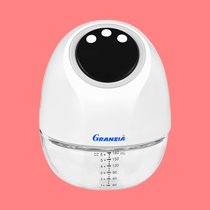





Walk into any gym in Cairo or Alexandria these days, and you will likely see someone holding a device that looks like a power drill, pressing it against their thigh or shoulder. It’s loud, it looks intense, and everyone seems to want one. But is the massage gun just a passing fitness trend, or is there real science behind the buzz?
For years, professional athletes relied on expensive sessions with physical therapists to perform Deep tissue massage to recover from grueling training. Today, handheld percussion devices claim to offer the same benefits in the comfort of your living room.
In this deep dive, we will explore the mechanism of “Percussion Therapy,” debunk the myths, and explain the tangible massage gun benefits that can improve your mobility and recovery, whether you are a pro athlete or someone dealing with chronic back pain from sitting at a desk.
What is Percussion Therapy?
To understand why these devices work, you must understand the difference between “vibration” and “percussion.”
- Vibration Therapy: Think of a standard vibrating chair or a simple handheld massager. It stimulates the surface of the skin and provides a pleasant sensation, but it doesn’t penetrate deep into the muscle belly.
- Percussion Therapy: A massage gun, like the Gengun Massage Gun, delivers rapid, concentrated bursts of pressure into the muscle tissue. The head of the gun moves back and forth (amplitude) about 12mm to 16mm, physically striking the muscle 2000 to 3000 times per minute.
This “punching” motion reaches the deep layers of soft tissue, targeting the fascia (connective tissue) that vibration simply cannot reach.
The Science: How Your Body Reacts
When the percussive head strikes your muscle, two major physiological events occur:
1. Increased Blood Flow & Fluid Exchange
The rapid impact forces fluid out of the muscle tissue and encourages fresh blood—rich in oxygen and nutrients—to rush in. This helps flush out metabolic waste products like lactic acid and carbon dioxide, which are responsible for that “burning” sensation after a workout.
2. The Neurological Effect (Gate Control Theory)
Have you ever bumped your knee and immediately rubbed it to stop the pain? That works because the sensation of touch travels to the brain faster than the sensation of pain.
A massage gun bombards your skin’s nerve receptors with high-frequency stimulation. This “overloads” the nervous system, effectively blocking pain signals from reaching the brain. This allows you to treat sore areas that would normally be too painful to touch with a manual massage.
Top 3 Benefits of Using a Massage Gun
If you are considering investing in a device, here is what you can realistically expect:
1. Reduced DOMS (Delayed Onset Muscle Soreness)
We all know the feeling: you do a heavy leg day, and two days later, you can barely walk. This is DOMS. Studies suggest that using percussive therapy immediately after a workout can significantly reduce the severity of DOMS by preventing the buildup of toxins and keeping muscle fibers loose.
2. Improved Range of Motion (Flexibility)
Stiff muscles act like tight rubber bands—they restrict your movement. By mechanically loosening the fascia (the web of tissue surrounding muscles), a powerful massage device can instantly improve your flexibility.
Pro Tip: Use the gun for 2 minutes on your hamstrings before stretching. You will likely be able to reach further than before!
3. Convenience and Cost-Efficiency
A single session with a deep tissue therapist in Egypt can cost anywhere from 500 to 1000 EGP. Owning a device means you have unlimited access to therapy 24/7.
Massage Gun vs. Traditional Massage: Which is Better?
| Feature | Massage Gun (Percussion) | Traditional Deep Tissue Massage |
| Depth | Reaches deep muscle layers rapidly. | Variable, depends on therapist strength. |
| Precision | Pinpoint accuracy on specific triggers. | General area focus. |
| Relaxation | Intense, sometimes uncomfortable. | Generally relaxing and holistic. |
| Cost | One-time purchase. | Recurring cost per session. |
| Time | 5-10 minutes needed. | 60-90 minutes needed. |
Verdict: For daily maintenance and specific injury recovery, the gun wins. For total body relaxation and stress relief, human touch is superior.
How to Use a Massage Gun Correctly (Do’s and Don’ts)
Using a high-powered tool requires responsibility.
- DO: Start on the lowest speed.
- DO: Float the device over the muscle. You don’t need to press hard; the motor does the work.
- DO: Keep moving. Don’t stay on one spot for more than 15-30 seconds to avoid bruising.
- DON’T: Use it on bones, joints, or the spine. Only target soft tissue (muscle).
- DON’T: Use it on open wounds or varicose veins.
Hygiene Tip: If you use your device at the gym or share it, consider using Arm Sweat Pads or cleaning the attachments with alcohol wipes to prevent bacteria transfer.
Choosing the Right Attachments
Most Granzia massage guns come with multiple heads. Here is how to use them:
- Big Ball: Glutes, quads, and hamstrings (large groups).
- Flat Head: Chest and calves (general use).
- Bullet/Cone: Trigger points (knots) and soles of the feet.
- Fork (U-Shape): Paraspinal muscles (alongside the spine) and Achilles tendon.
Conclusion
So, do they really work? Yes. While they are not a magic cure for everything, the scientific backing for massage gun benefits in terms of blood flow, pain reduction, and mobility is strong. Whether you are an elite athlete pushing your limits or an office worker fighting back stiffness, percussion therapy is a powerful tool to add to your wellness toolkit.
FAQs: Massage Guns
- Can I use a massage gun every day?
Yes, you can use it daily for 2-3 minutes per muscle group. However, if a muscle is extremely sore or bruised, give it a rest day.
- Is it safe to use a massage gun on my neck?
Be very careful. Never use it on the front of the throat (carotid artery) or directly on the cervical spine. You can gently use it on the upper traps (shoulders) on a low setting to relieve tension headaches.
- Does percussion therapy help cellulite?
While it improves blood flow and can temporarily smooth the skin’s appearance by draining fluid, it is not a permanent cure for cellulite, which is structural.
- When is the best time to use it?
- Pre-workout: To wake up muscles (30 seconds per area).
- Post-workout: To flush out lactic acid (2 minutes per area).
- Before bed: To relax (on low speed) for better sleep.
- Can I use it if I have sciatica?
Yes, but indirectly. Do not massage the painful nerve directly. Instead, use the gun on the Piriformis muscle (in the glute) and hamstrings. Releasing tension there often relieves pressure on the sciatic nerve.