







For a new mother, the journey of breastfeeding is filled with beautiful moments, but also significant challenges. Whether you are a working mom in Cairo navigating traffic to get back to your baby, or a stay-at-home mom trying to catch a few hours of sleep, a breast pump is often the unsung hero of early motherhood. It offers flexibility, relief, and the ability to share feeding duties with a partner.
However, standing in a pharmacy or browsing online can be confusing. You are faced with a fundamental choice: Electric vs manual pump. Which one is right for your lifestyle? Do you really need the expensive double electric model, or will a simple manual one suffice?
In this comprehensive guide, we will break down the pros, cons, and specific use cases for each type to help you find the best breast pump in Egypt for your specific needs.
The Manual Breast Pump: Simplicity and Control
A manual breast pump operates by hand. You squeeze a lever or handle to create suction and draw milk out. It is the most traditional form of pumping and remains popular for very specific reasons.
How it Works
You place the shield over your breast and rhythmically squeeze the handle. You control the speed and the strength of the suction directly.
The Pros:
- Total Control: If you have sensitive nipples, a manual pump allows you to stop instantly or adjust the pressure micro-scopically. You mimic the baby’s rhythm yourself.
- Silence: There is no motor hum. It is the perfect choice for pumping next to a sleeping baby or on a quiet phone call.
- Portability: It is lightweight, fits in a handbag, and requires no electricity or batteries.
- Price: It is significantly more affordable than electric models.
The Cons:
- Physical Effort: It can be tiring for your hand and wrist, especially if you are pumping for 15-20 minutes per side.
- Slower: You can only pump one breast at a time, and the rate depends on your hand speed.
Who is it for?
The manual pump, like the Softfeed Breastpump, is ideal for:
- Moms who primarily breastfeed and only need to pump occasionally (once a day or for date nights).
- Travelers who need a backup backup plan.
- Moms on a budget who want a reliable, effective solution.
The Electric Breast Pump: Efficiency and Volume
Electric pumps use a motor to create suction. They come in single (one breast) or double (both breasts) models and usually run on batteries or a wall outlet.
How it Works
You attach the cup, turn on the device, and select a setting. Most modern pumps have a “massage mode” to stimulate flow and an “expression mode” to draw milk, mimicking a baby’s natural feeding pattern.
The Pros:
- Efficiency: This is the biggest selling point. A double electric pump can empty both breasts in 10-15 minutes.
- Less Effort: You can relax, read, or check your phone while the pump does the work.
- Volume: Electric pumps are often better at maintaining milk supply because they provide consistent, strong suction that ensures the breast is fully emptied.
- Customization: Advanced models like the Goldenfeed Electric Pump offer multiple suction levels and speeds.
The Cons:
- Noise: Even “quiet” motors make a rhythmic sound.
- Parts: There are more parts to clean and assemble (tubes, valves, membranes).
- Cost: They are an investment compared to manual pumps.
Who is it for?
An electric pump is essential for:
- Working Moms: If you are returning to work and need to pump 2-3 times during office hours.
- Exclusive Pumpers: Moms who cannot nurse directly but want to feed breastmilk.
- Supply Issues: Moms needing to boost their supply through “power pumping.”
Comparison Table: At a Glance
| Feature | Manual Pump | Single Electric | Double Electric |
| Speed | Slow | Medium | Fast (Halves the time) |
| Effort | High (Hand fatigue) | Low | Low |
| Portability | Excellent | Good | Moderate (More parts) |
| Noise | Silent | Low Hum | Low Hum |
| Price | $ | $$ | $$$ |
| Best Use | Occasional Use | Daily (1-2 times) | Heavy Use / Working Mom |
Key Factors to Consider Before Buying
When searching for the best breast pump in Egypt, consider these three lifestyle factors:
1. How often will you pump?
If you plan to pump every day while at work, a manual pump will likely become frustrating and tiring. Invest in a double electric pump like the Sutiaduo Double Pump to save time. If you are only pumping for relief or the occasional outing, a manual pump is sufficient.
2. Where will you pump?
- At a desk? You need a quiet electric pump.
- In a car or on the go? You need a battery-operated or rechargeable unit.
- In public/discreetly? Consider “Wearable” pumps that fit inside your bra without tubes, offering hands-free freedom.
3. Comfort and Fit
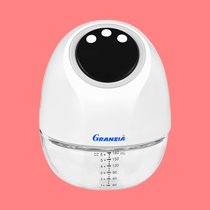
Suction shouldn’t hurt. Look for pumps that offer soft silicone cushions on the breast shield. Hard plastic can be abrasive. Granzia pumps are designed with comfort-fit silicone to massage the breast and reduce pain.
Don’t Forget the Accessories
Getting the pump is step one. To make the process smooth, ensure you have:
- Storage Bags/Bottles: You need sterile containers to store your “liquid gold” in the fridge or freezer. Check out milk storage solutions designed to prevent leaks.
- Spare Parts: Valves and membranes wear out over time, reducing suction. Keep spares on hand.
- Bra Pads: Leaks happen! Disposable pads keep your clothes dry.
Conclusion: Which One Wins?
There is no single “winner”—only the winner for you.
- Team Manual: Go for it if you want simplicity, silence, and low cost for occasional use.
- Team Electric: Essential if you want to maintain a robust supply while away from your baby or if you value speed above all else.
Many experienced Egyptian moms actually own both: a double electric pump for home/work and a small manual one in their diaper bag for emergencies.
FAQs: Breast Pumping
- Can I switch between manual and electric pumps?
Absolutely. Many mothers use a double electric pump for their primary sessions (morning/work) and a manual pump for quick relief or travel. It is often recommended to have a manual pump as a backup in case of power outages or battery failure.
- Does pumping hurt?
It should not. You may feel a strong tug, but sharp pain indicates the suction is too high or the flange (shield) size is incorrect. Start on the lowest setting and increase gradually.
- How long is breast milk good for?
In general: 4 hours at room temperature, 4 days in the refrigerator, and 6 months in the freezer. Always use sterile breast milk storage bags to ensure safety.
- When should I start pumping?
If you are breastfeeding exclusively, it is usually recommended to wait 3-4 weeks until your supply is established and baby is latching well. However, if you are returning to work, start building a “stash” 2 weeks before your start date.
- How do I clean the pump parts?
Wash all parts that touch milk in warm soapy water after every use. Sterilize them once a day (boiling or steam). Do not wash the tubing or motor unless the manual specifies it (usually tubing stays dry).