


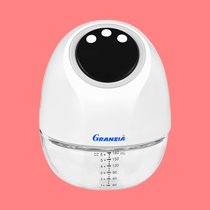





There is a specific sound that every new parent dreads: the sniffling, whistling sound of a congested baby trying to breathe. Unlike adults, newborns are “obligate nose breathers,” meaning they instinctively breathe through their nose and haven’t yet learned how to breathe comfortably through their mouths. When that tiny nose gets blocked by mucus from a cold, flu, or allergies, it’s not just an annoyance—it disrupts their feeding, sleeping, and overall well-being.
Since babies cannot blow their own noses, they rely entirely on you to help them. This is where the Baby nasal aspirator becomes one of the most essential tools in your nursery. But with different types available—from traditional bulbs to modern suction devices—many parents in Egypt feel unsure about how to use them safely without hurting their little one’s delicate nasal lining.
In this comprehensive guide, we will walk you through the “Why,” “When,” and “How” of using an aspirator for infant congestion relief, ensuring your baby breathes freely and sleeps soundly.
Why is Congestion So Hard for Babies?
To understand the importance of aspiration, you have to look at anatomy. A baby’s nasal passages are incredibly narrow—roughly the width of a needle. It takes only a tiny amount of mucus or inflammation to block airflow completely.
Common Causes of Stuffy Noses in Egypt:
- Viral Infections: Common colds are frequent as the baby’s immune system builds up.
- Dry Air: Air conditioning in summer and heaters in winter dry out nasal membranes, causing the body to overproduce protective mucus.
- Irritants: Dust, smoke, or strong perfumes.
When a baby is congested, they often refuse to breastfeed (because they can’t breathe and swallow simultaneously) and wake up frequently crying.
Types of Nasal Cleaners: Bulb vs. Suction
1. The Traditional Bulb Syringe
This is the classic rubber ball. You squeeze it, insert it, and release to create suction.
- Pros: Cheap and simple.
- Cons: Hard to control suction strength; difficult to clean inside (prone to mold); often pushes mucus further in if not used correctly.
2. The Oral Suction Aspirator (The Modern Standard)
Devices like the InversoNeb Baby Nasal Aspirator consist of a mouthpiece for the parent, a tube, and a soft tip for the baby’s nose.
- Pros: You control the suction strength with your own breath (don’t worry, there is a filter so you never touch the mucus!). It is much safer, more effective, and easier to clean.
- Verdict: This is widely considered the superior choice for safety and hygiene.
3. Electric/Nebulizer Attachments
Some advanced nebulizers, like the Nasobello, come with a specialized suction attachment (Rinowash style) that flushes and clears the nose simultaneously.
Step-by-Step Guide: How to Use a Nasal Aspirator Safely
Clearing a nose is a medical procedure for a baby. Follow these steps to do it without tears.
Step 1: Liquify the Mucus (Crucial!)
Never try to suction dry or thick, sticky mucus. You will irritate the nose and cause bleeding.
- Lay your baby on their back.
- Apply 1-2 drops of saline solution (salt water drops available at any pharmacy) into each nostril.
- Wait: Let it sit for 30 to 60 seconds. This thins the mucus and loosens crusts.
Step 2: Position the Baby
Babies hate having their movement restricted. You might need to swaddle them or have a partner gently hold their hands down to prevent them from swatting the device away.
Step 3: The Suction Technique
- Place the soft tip of the aspirator (like the InversoNeb) at the opening of the nostril. Do not shove it deep inside.
- Create a seal by gently angling the tip.
- Gently suck through the mouthpiece (or squeeze the bulb). Start soft and increase only if needed.
- You should see mucus entering the collection chamber.
Step 4: Clean Up
- Wipe the baby’s nose with a soft tissue.
- Comfort them immediately with a cuddle or feeding.
Safety Rules: Don’t Overdo It
While it is tempting to clear the nose every time you hear a sniffle, over-suctioning can backfire.
- The Limit: Do not aspirate more than 3 to 4 times a day.
- The Risk: Suctioning too often irritates the nasal tissue, causing it to swell. Swelling blocks the nose just as much as mucus does, creating a vicious cycle.
- Best Times: Before feeding (to help them eat) and before bedtime (to help them sleep).
Cleaning Your Device
Hygiene is non-negotiable. A dirty aspirator can re-introduce bacteria to your baby.
- Disassemble: Take apart all pieces (tube, mouthpiece, collection chamber).
- Wash: Use hot, soapy water.
- Sterilize: For Granzia silicone tips, you can often use a steam sterilizer or boil them (check your manual).
- Dry: Let everything air dry completely to prevent mold growth in the tubes.
When to Call the Doctor
A stuffy nose is usually manageable at home, but watch for these signs:
- Fever: If the congestion is accompanied by a high temperature. Use a reliable digital thermometer to monitor fever accurately.
- Labored Breathing: If you see the baby’s ribs sucking in (retractions) or nostrils flaring wide.
- Dehydration: If the baby hasn’t had a wet diaper in 6-8 hours because they are refusing to eat.
Prevention: Keeping the Air Clean
To reduce the need for suctioning:
- Humidify: Use a cool-mist humidifier in the nursery, especially in winter.
- Steam Therapy: If you have a nebulizer, using it with just saline can help hydrate the airways. Check out our range of nebulizers for kids which can double as a respiratory aid during colds.
Conclusion
A Baby nasal aspirator is a small tool with a big impact. By mastering the art of “Saline, Wait, Suction,” you can instantly improve your baby’s quality of life during a cold. Remember, be gentle, be consistent, and always prioritize hygiene. Your baby will breathe easier, and you will sleep better knowing you have the situation under control.
FAQs: Infant Nasal Care
- Can I use the aspirator on a newborn? Yes, but you must be extremely gentle. Newborn nasal passages are very sensitive. Always use plenty of saline drops first and use the lowest suction necessary.
- My baby screams when I use it. Am I hurting them? Usually, no. Babies cry because they dislike being held down and having something near their face. It is a sensation of discomfort, not pain. Being quick and calm helps.
- I see a little blood in the mucus. Should I panic? A tiny streak of blood usually means the nasal lining is dry or slightly irritated (perhaps from dry air or previous suctioning). Stop suctioning for a while and use saline mist to moisturize. If bleeding is heavy, call a doctor.
- Can I use breastmilk instead of saline drops? Some mothers swear by putting a drop of breastmilk in the nose. While safe, sterile saline solution from a pharmacy is chemically balanced to thin mucus most effectively.
5. How do I know if the InversoNeb fits my baby? The InversoNeb comes with a soft, anatomical silicone tip designed specifically to sit against the nostril opening of infants without needing to be inserted deeply, making it a “one-size-fits-most” safe solution.